
To be here is not to be absent from that which guided us here. We adorn our homes and ourselves with our traditions. We turn our experiences into stepping stones, lit with the wisdom of our ancestors and the strength of our hope.
To Be Here
Map of Guinea / Carte de la Guinée
Moussa
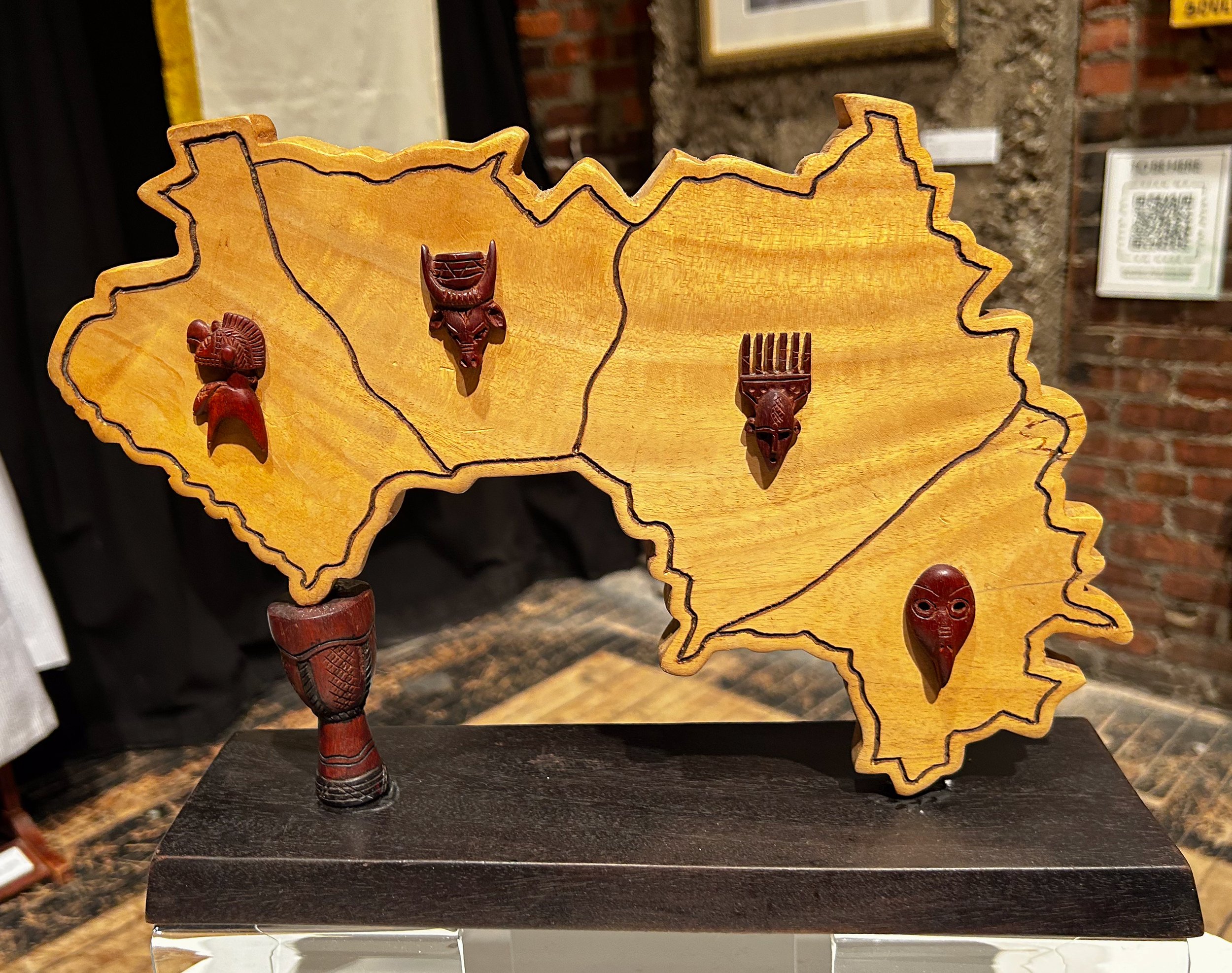
“Made by a Guinean artist, this map represents the four ethnic groups of Guinea and their symbols - the Susu (or Soso), the Fulani (or Fulbe), the Mandinka (or Malinké), and a mosaic of forest-dwelling peoples (Guerzés, Tomas, Kissis, and Manons) who each live in separate regions.”
“Réalisée par un artiste guinéen, cette carte représente les quatre groupes ethniques de Guinée et leurs symboles — les Soussous (ou Soso), les Peuls (ou Fulbé), les Mandingues (ou Malinkés) et une Mosaïque de Forestier (Guerzés, Tomas, Kissis et Manons) — qui vivent chacun dans des régions distinctes.”
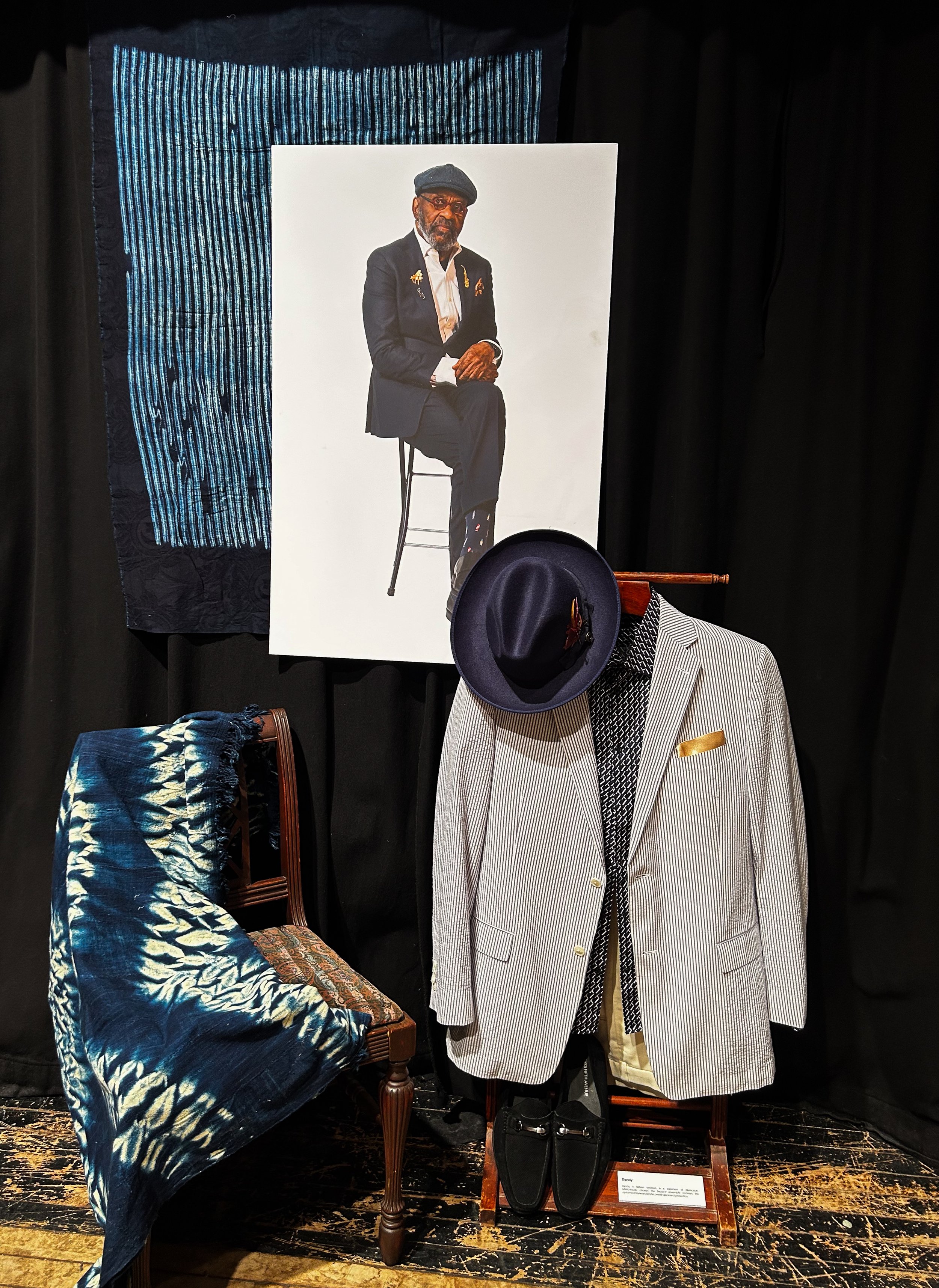
Dandy is a tradition of fashion as resistance among Black men in which one meticulously plans their attire from cufflinks and brooches to trousers and shirts. A statement of distinction, the ensemble conveys the epitome of style and pride, preservation and protection.
Dandy
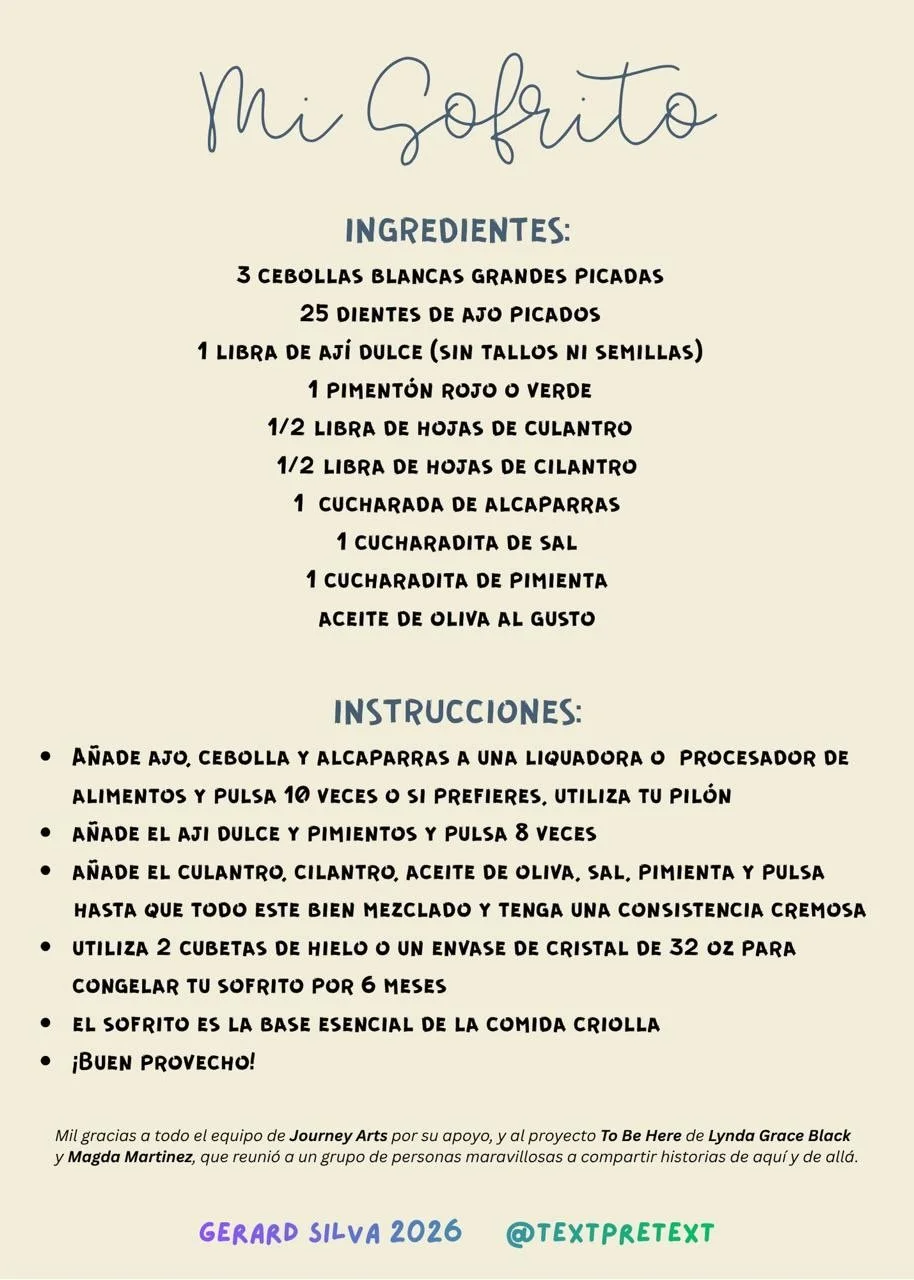
El Pilón
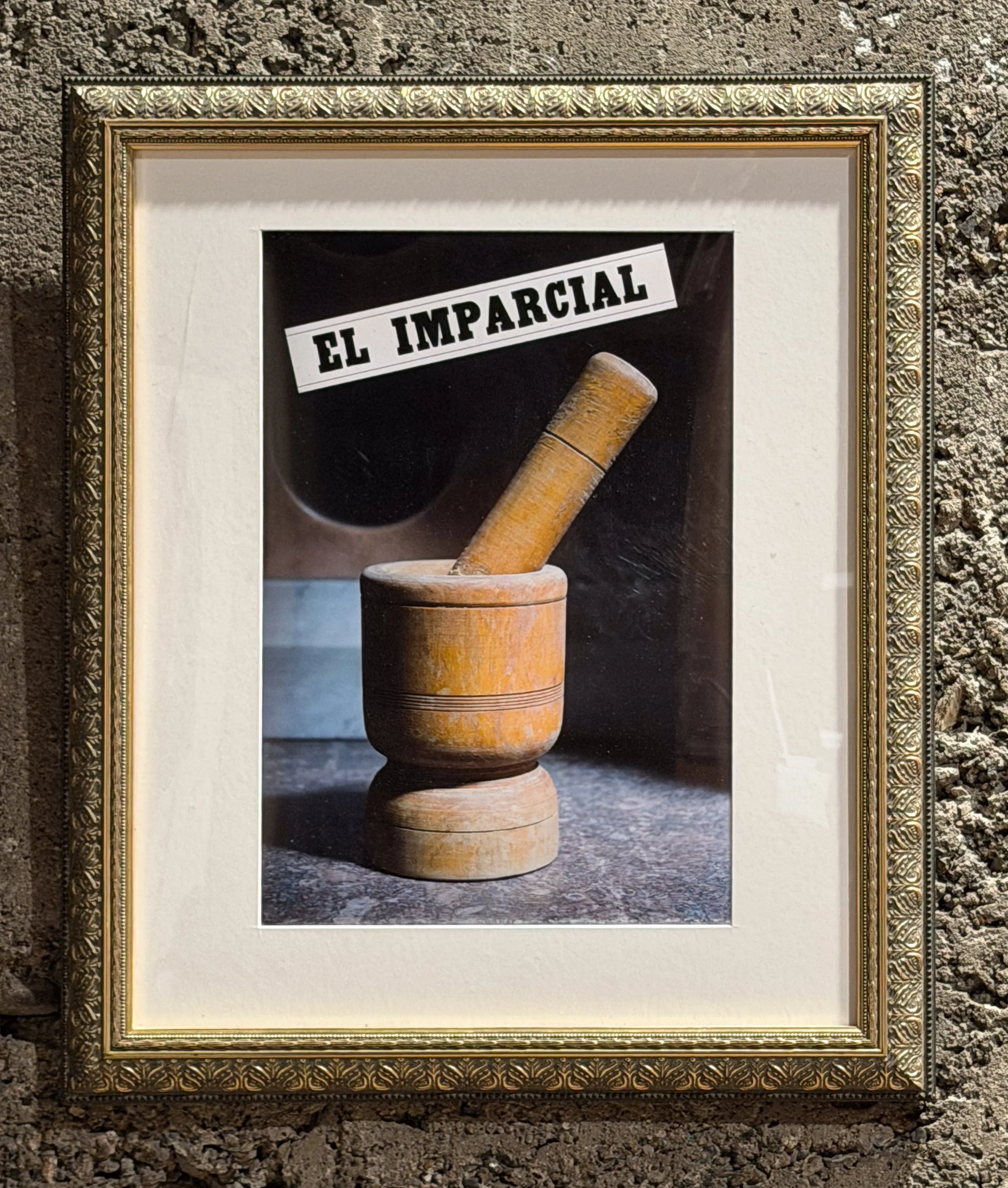
Gerard
“This heirloom belonged to my family’s matriarch and a woman very special to me.”
“Esta reliquia perteneció a la matriarca de mi familia y a una mujer muy especial para mí.”
Great Migration Pentimento: Perry County
Nzadi Keita
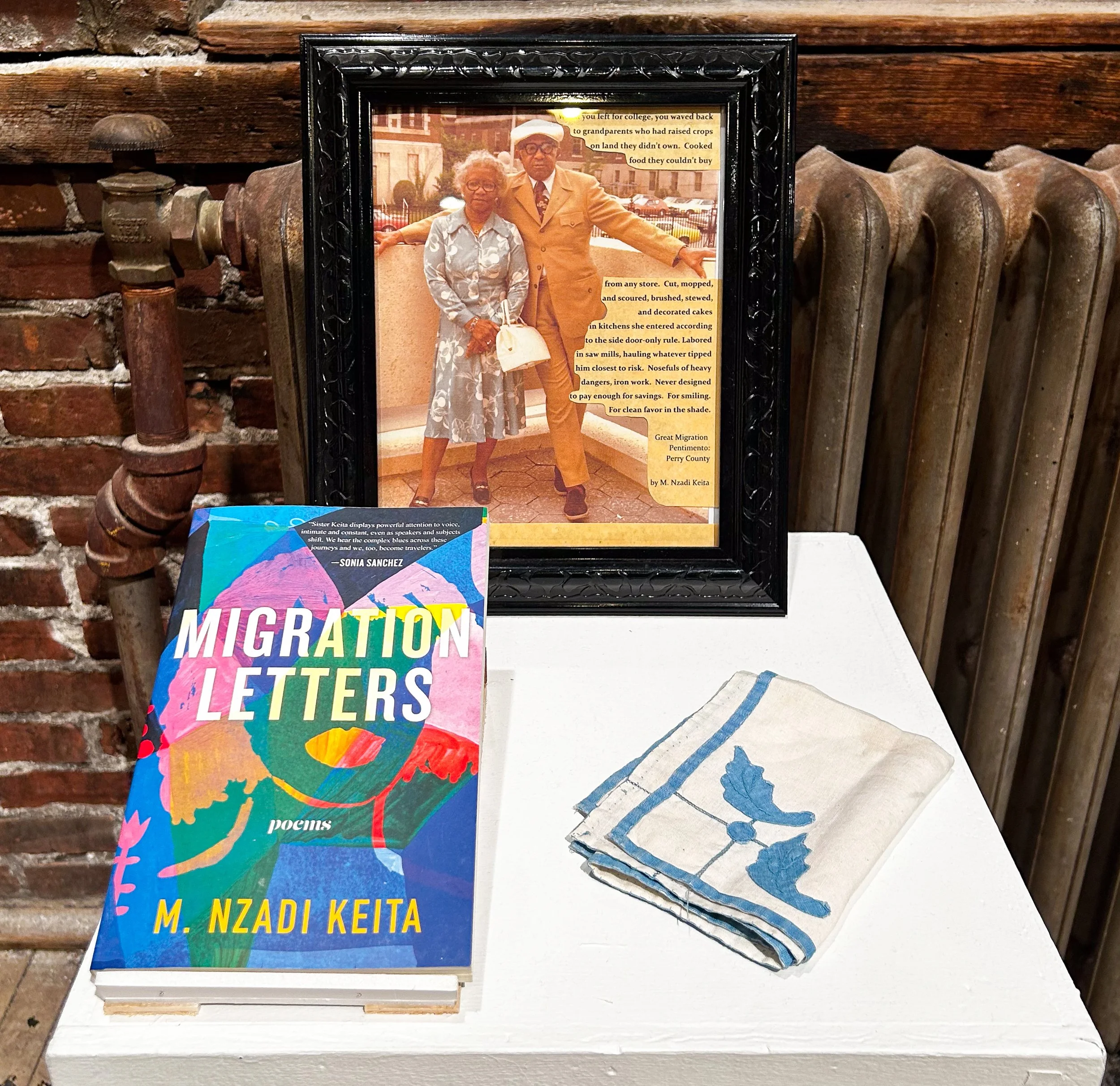
“I live each day in gratitude for the vision and effort my grandmothers and grandfathers made by moving North, in hopes of expanding our chances for opportunities and fulfilling lives.”
M. Nzadi Keita is the author of Migration Letters, Copyright 2024
Maison des Esclaves
House of Slaves
Anonymous
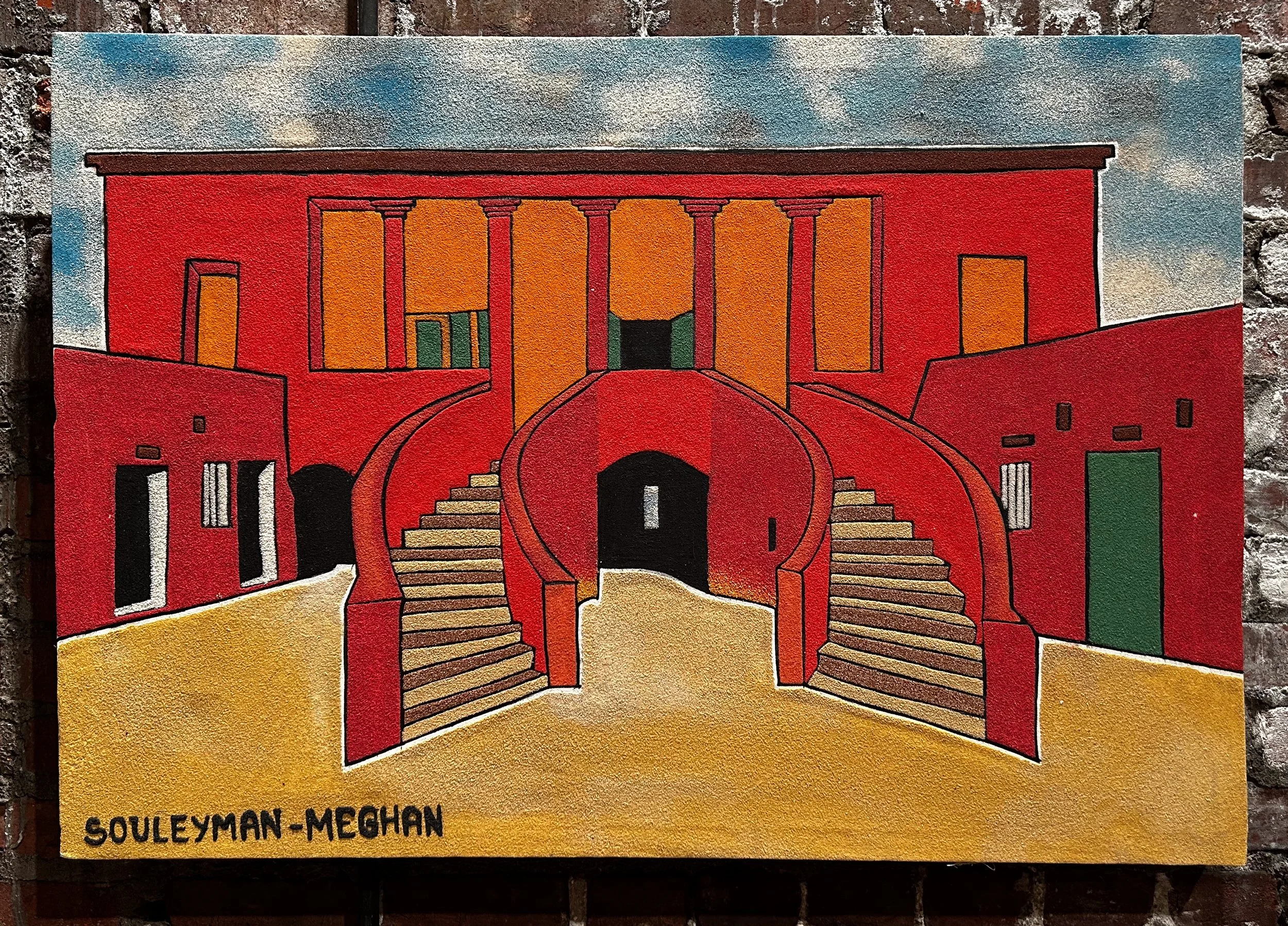
“Just off the coast of Dakar, Gorée Island is one of West Africa’s most powerful sites of memory. From the 15th to the 19th centuries, European powers—including the Portuguese, Dutch, English, and French—occupied and traded from this small island. Overtime, Gorée became deeply associated with the Atlantic slave trade and the forced removal of African men, women, and children.
“At the center of this history is the Maison des Esclaves (House of Slaves), a building that symbolizes the suffering, separation, and dehumanization tied to slavery. Families were torn apart, identities stripped, and human lives reduced to property.
“One of the most haunting features of the Maison des Esclaves is the “Door of No Return.” This doorway faces the sea and represents the final passage from African soil to slave ships bound for the Americas.”